Inchoate: Reconstructing Fashion Through Form and Possibility
Tianyun Lan
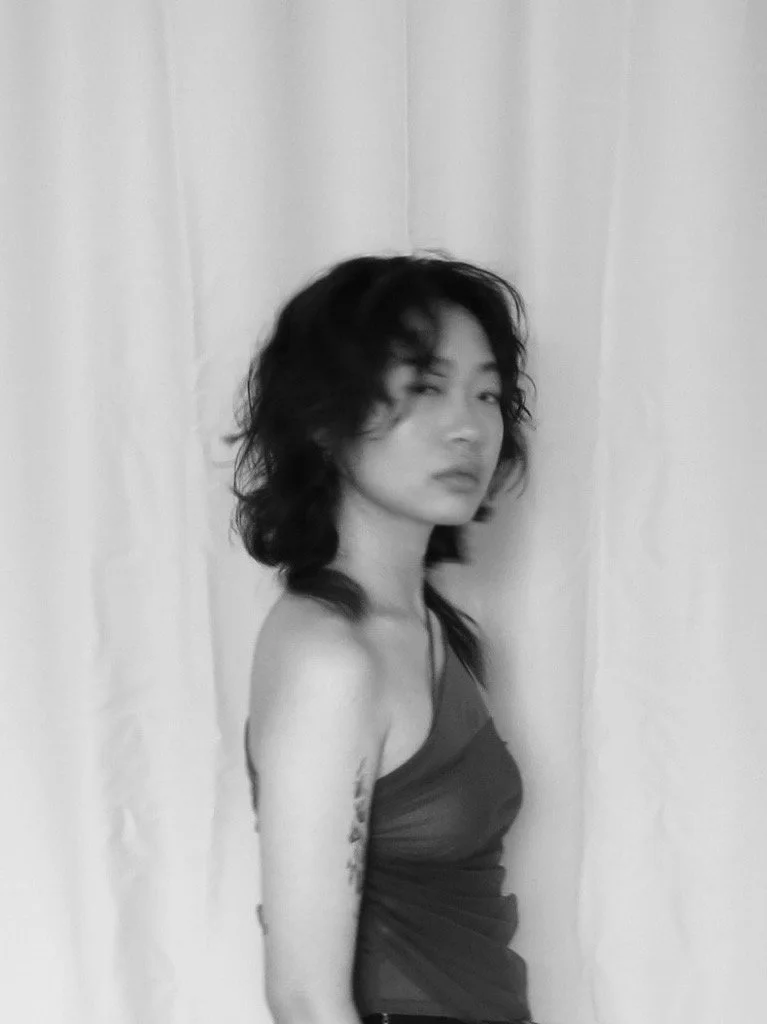
Portrait of Tianyun Lan
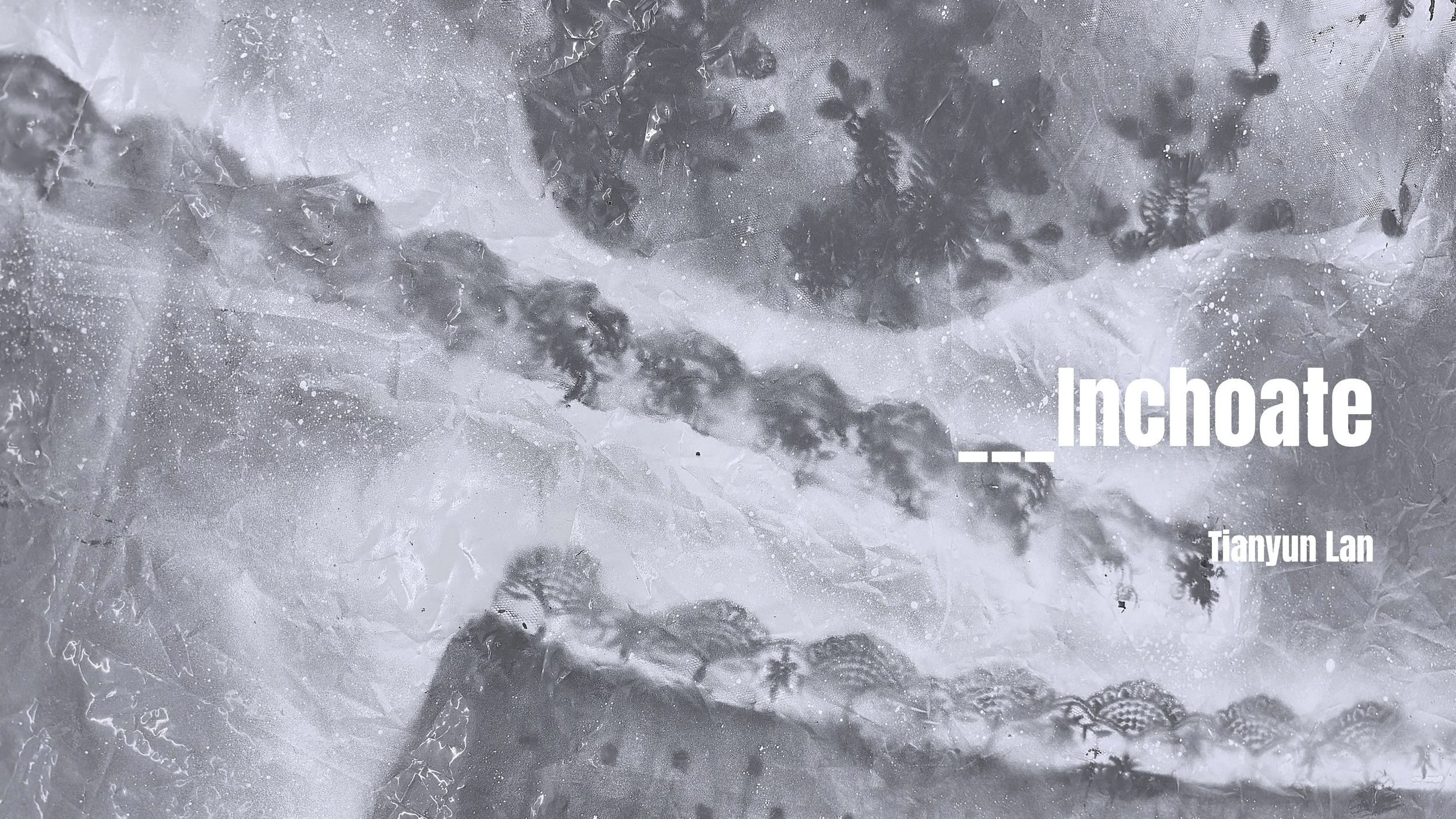
Inchoate: Existing in an initial or undeveloped stage; not yet fully formed.
How has your upbringing or cultural background influenced your work?
Growing up between different cultural environments has shaped the way I think about identity, structure, and transformation. I was born in China and later spent many years studying and working internationally, which exposed me to different ways of understanding fashion—not only as clothing but also as a cultural and social language. This constant movement between contexts made me very aware of how meaning is constructed and reconstructed.
As a result, my work often focuses on ideas of transformation and incompleteness. I am interested in garments not as finished products but as evolving objects that change through interpretation, use, and time. This perspective comes from living between cultures and systems, where identity itself is often fluid and continuously reshaped.
What themes or ideas do you explore in your work?
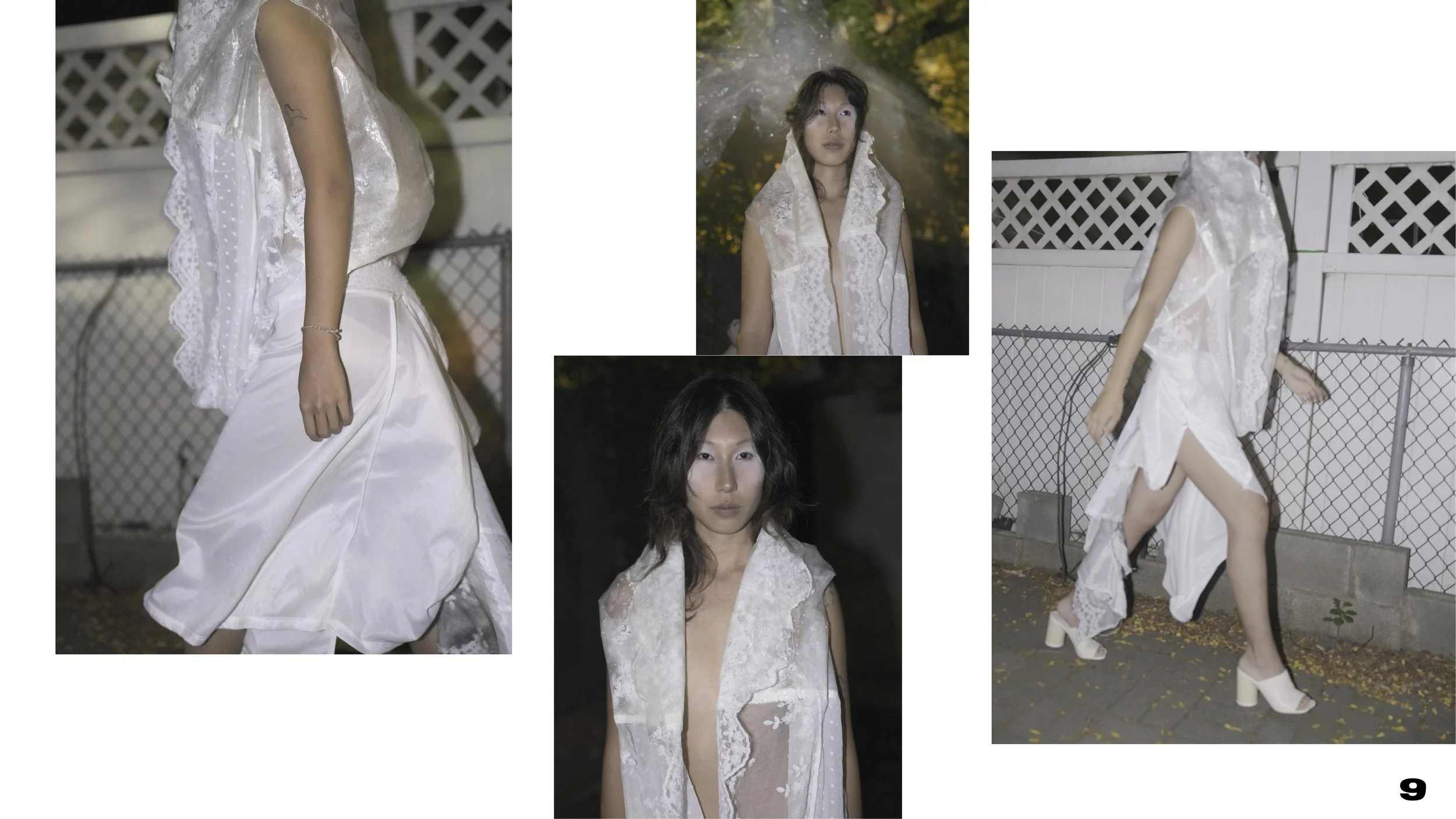
Much of my work explores transformation, incompleteness, and the life cycle of garments. I am interested in the moment when something is still forming—when an object or idea is not yet fully defined. This is where the concept behind my work, Inchoate, originates.
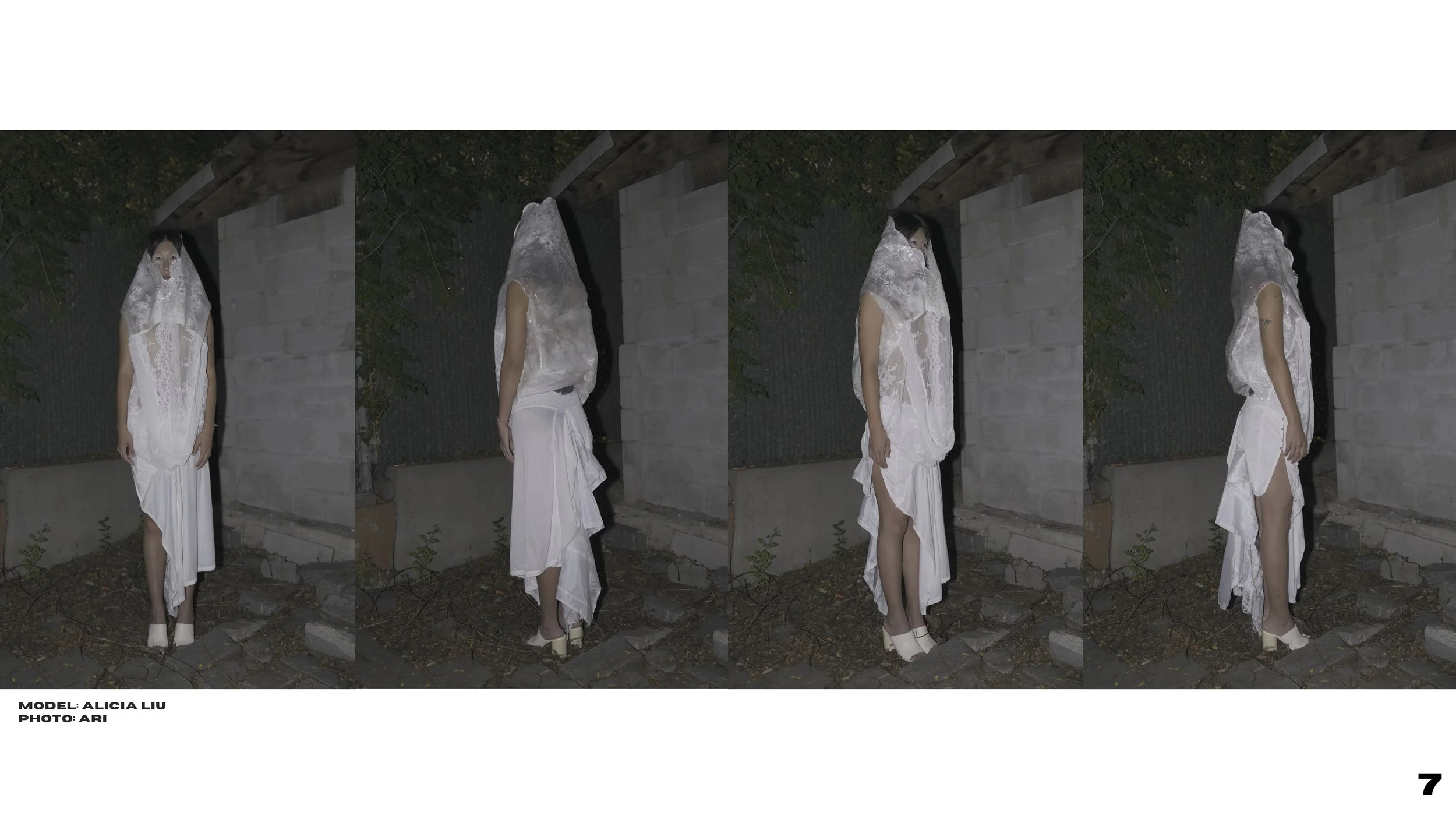
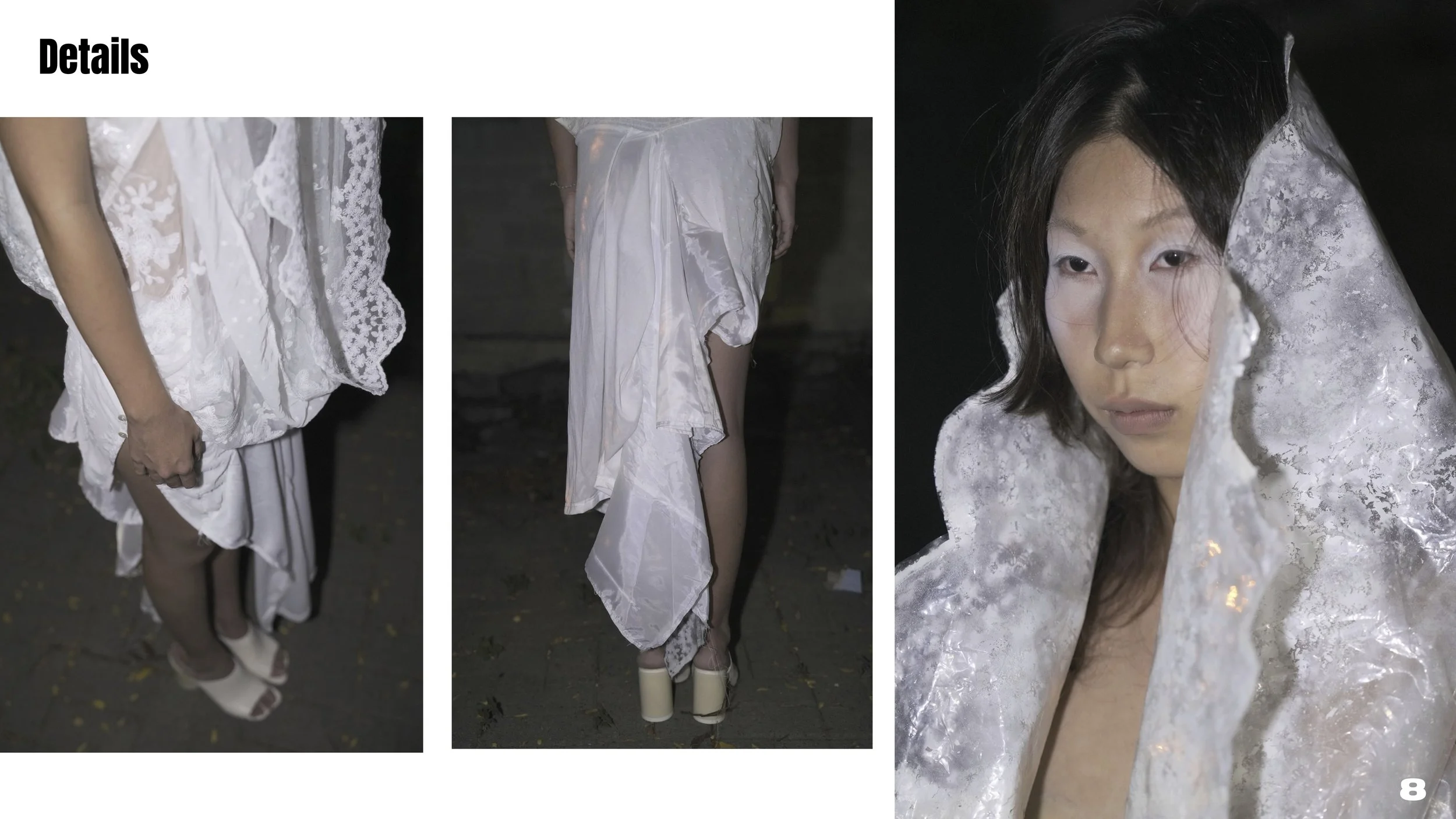
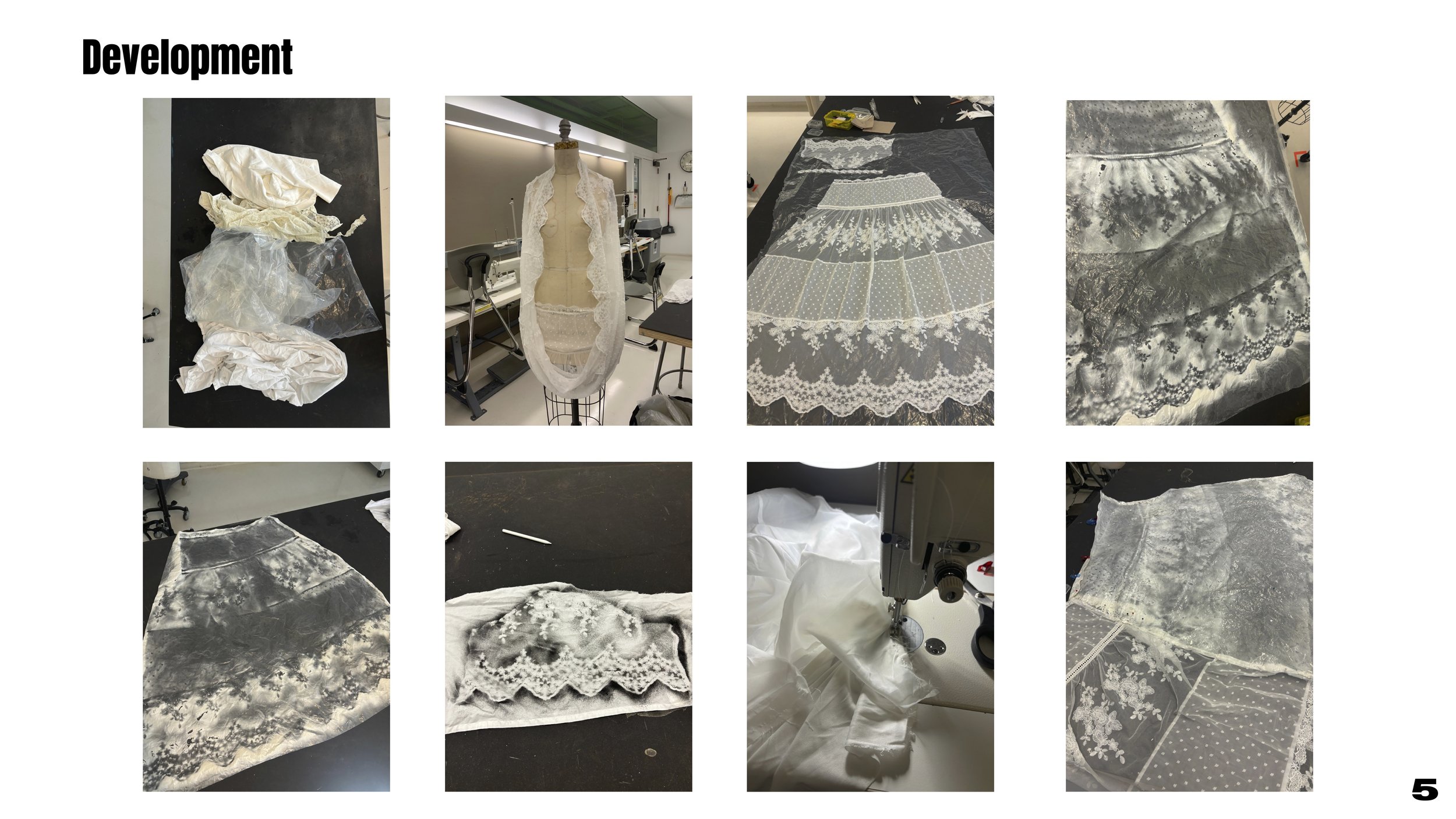
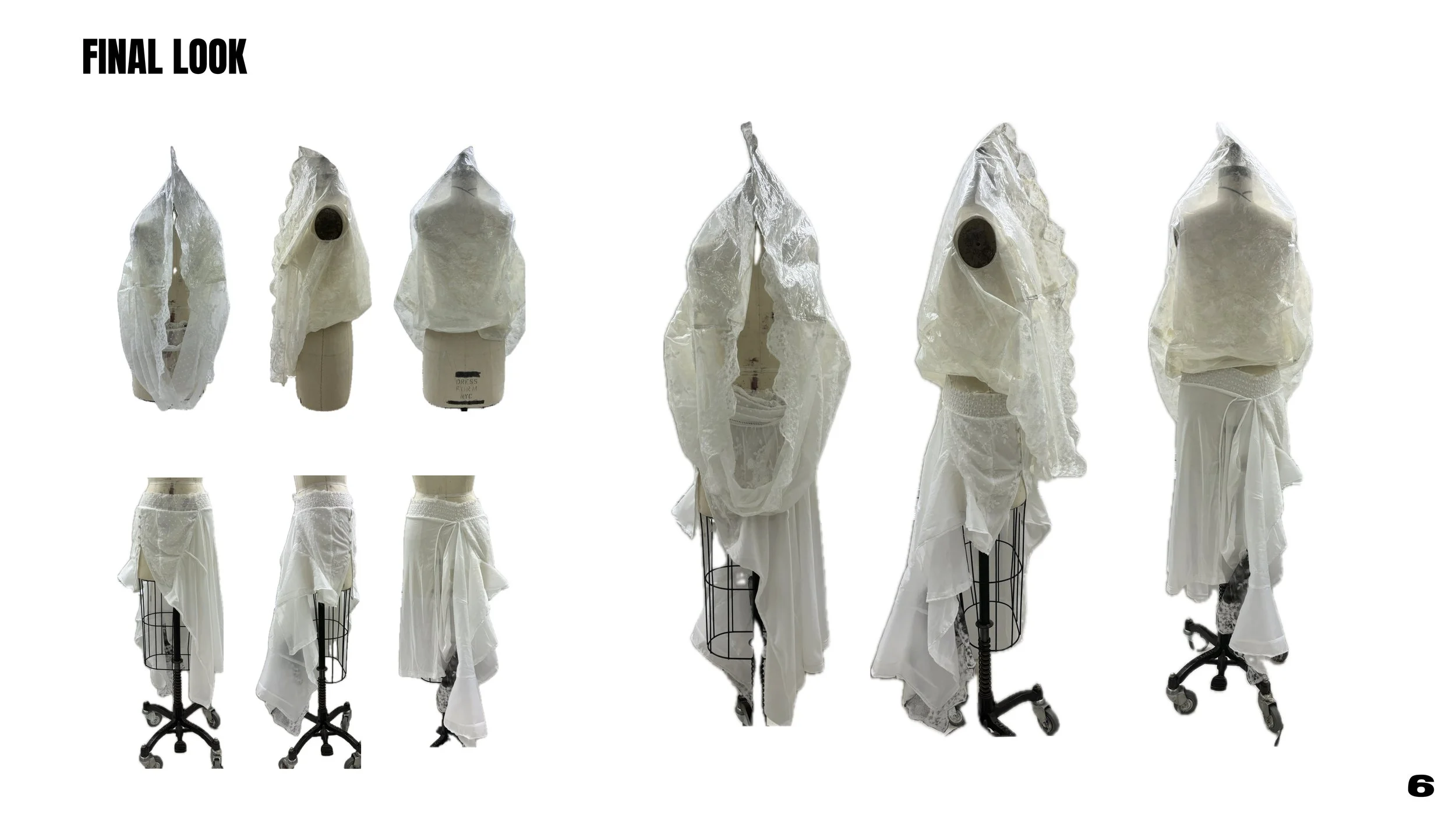
The garment is reconstructed from a lace dress and a spray-painted plastic sheet, materials that carry very different associations. Lace often symbolizes delicacy and tradition, while plastic feels industrial and contemporary. By combining and altering these materials, I aim to create a form that exists somewhere between past and future, between fragility and structure.
The nearly all-white palette emphasizes the idea of a beginning—a blank surface that has not yet settled into a final identity. For me, garments are not fixed objects but evolving forms that invite reinterpretation.
Who or what inspires you the most as an artist?
I am deeply inspired by conceptual artists who treat time, process, and everyday actions as integral parts of the artwork itself. Artists such as Yoko Ono and Tehching Hsieh have influenced the way I think about art as something that unfolds over time rather than something simply presented as a finished object.
I am also inspired by ordinary materials and overlooked objects. Sometimes a piece of fabric, a damaged garment, or even the way clothing naturally changes through wear can become the starting point for an idea. These small observations often lead to larger conceptual explorations in my work.
How has your art been received by audiences and how do you respond to feedback?
Audiences often respond to my work in very different ways, which I appreciate. Some people focus on the craftsmanship and construction of the garment, while others engage more with the conceptual ideas behind it. I try not to control how people interpret the work too strictly. Once a piece is presented, it enters into a dialogue with the viewer, and their interpretation becomes part of the experience. I am interested in that openness and multiplicity of meaning.
Are there any upcoming projects or exhibitions you’re excited about?
I have several projects coming up over the next few months that I am excited about. Some of my works will be presented in gallery exhibitions, while others will be showcased through runway-style presentations that blur the line between fashion shows and artistic displays. I enjoy working across these different formats because they allow the garments to exist in multiple contexts—sometimes as static objects within a gallery and sometimes as dynamic forms interacting with the body.
What advice would you give to emerging artists trying to establish their careers?
I would encourage emerging artists to focus on developing a genuine perspective rather than trying to follow trends or meet expectations. It is easy to feel pressure to fit into existing systems, but the most compelling work often comes from curiosity and personal exploration. Building a creative practice takes time and frequently involves experimentation, uncertainty, and even failure. These experiences are not obstacles—they are an essential part of the creative process itself.
What do you hope people feel or take away when they view your art?
I do not expect viewers to have a single, specific reaction. In fact, I prefer the opposite. If the work encourages someone to pause, reflect, or question their assumptions about clothing and form, then it has already succeeded in some way.
Ultimately, I hope the work leaves room for interpretation. Whatever viewers feel or imagine when they encounter the piece is valid, as long as it prompts them to consider something beyond the surface.